Podric logo
Podcast
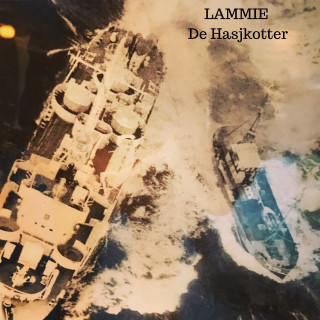
Podcast LAMMIE, De Hasjkotter (verbeterde versie 2024)

LAMMIE, De Hasjkotter (verbeterde versie 2024)

Rik Bouman

Doorzoek met AI de inhoud van alle afleveringen van LAMMIE, De Hasjkotter (verbeterde versie 2024) en spring direct naar het juiste fragment.

**Show Notes:** **Duik in "Lammie de Hasjkotter",** de podcast die het meest gedurfde avontuur in de smokkelgeschiedenis ontrafelt. In maart 1974 zet de HD 160, alias Lammie, koers naar Libanon, met aan boord een bemanning van kleurrijke personages, elk met hun eigen geheimen en motieven. **Voordat Lammie de haven verlaat,** gonst het al van de geruchten. Wie wist er van deze riskante onderneming? De reis naar Libanon is allesbehalve gewoon, vol bizarre wendingen en tegenslagen. Maar het is de terugreis die de geschiedenisboeken haalt: een zenuwslopende achtervolging op volle zee door marine, douane en rijkspolitie te water. **En dan, plotseling, verdwijnt Lammie van de radar.** Wat is er gebeurd? Deze podcast duikt diep in het verhaal dat niet alleen een spannend zeeverhaal is, maar ook gezien wordt als het begin van grootschalige politieacties tegen drugssmokkel. **Hashtags:** #LammieDeHasjkotter #SmokkelLegenden #ZeeAvonturen #DrugssmokkelGeschiedenis #VerdwenenOpZee #PolitieactiesTegenDrugs

Lees meer

Afleveringen — Pagina 4

Podcast: Derde Ronde van Los Angeles van 1932 tot 2028: Wilma Rudolph, De Gazelle van Rome en haar gouden medailles!

Derde Ronde van Los Angeles van 1932 tot 2028: Wilma Rudolph, De Gazelle van Rome en haar gouden medailles!

The twentieth episode of our podcast is dedicated to the illustrious legacy of the 1960 Rome Olympics, where we delve into the remarkable achievements of Wilma Rudolph, who emerged as the epitome of athletic excellence. This episode elucidates not only her triumphant acquisition of three gold medals but also the socio-political context of the Games, which were marked by both significant milestones and troubling controversies, including the burgeoning issues of doping and the commercial pressures that began to infiltrate the Olympic spirit. We examine Rudolph's extraordinary journey from overcoming severe health challenges in her early life to becoming a celebrated icon of both sport and civil rights. Throughout our discourse, we reflect on her unparalleled performances and the lasting impact she had on athletics and society at large. Thus, we encapsulate the essence of her legacy, recognizing her as a pioneering figure whose influence extends far beyond the track. As we navigate the narratives of the 1960 Rome Olympics, one athlete emerges as the undisputed queen of the Games: Wilma Rudolph. This episode pays homage to her remarkable journey from a fragile birth, weighing only 1,850 grams, to becoming the first American woman to win three gold medals in a single Olympics. Rudolph's ascent is not merely a tale of athletic prowess; it is a testament to resilience and determination. Overcoming polio and various hardships, her story is intricately woven with the love and support of her family, particularly her mother, who played an instrumental role in her rehabilitation and subsequent success. The episode further elaborates on her extraordinary performances, including world-record-setting runs in the 100 meters and 200 meters, alongside her pivotal role in the 4x100 meter relay, solidifying her status as an athletic icon. Moreover, we reflect on the broader implications of her achievements, examining how her legacy transcends sports, inspiring future generations in the ongoing struggle for equality and representation.Takeaways:This episode commemorates the twentieth installment of our podcast series, focusing on the ancient and modern Olympic Games.The remarkable achievements of Wilma Rudolph, noted for winning three gold medals at the 1960 Rome Olympics, are thoroughly discussed.The significant social and political contexts surrounding the 1960 Olympic Games, including issues of apartheid in South Africa, are explored.We delve into the historical impact of Emperor Theodosius I, who abolished the classical Olympic Games in ancient times.The increasing commercialization of the Olympics since the 1960s is examined, highlighting the transformations in sports culture.The episode concludes with an analysis of Wilma Rudolph's legacy and her subsequent contributions to society post-Olympics.Companies mentioned in this episode:Wilma RudolfJesse OwensTennessee State University
Podcast: Derde Ronde van Los Angeles van 1932 tot 2028: Het fenomeen Emil Zatopek, De Locomotief!

Derde Ronde van Los Angeles van 1932 tot 2028: Het fenomeen Emil Zatopek, De Locomotief!

The focal point of this discourse revolves around the illustrious figure of Emil Zatopek, a remarkable Czech long-distance runner renowned for his extraordinary achievements in the 1948 and 1952 Olympic Games. We delve into the nuances of Zatopek's athletic prowess, recounting his remarkable tenacity as he overcame substantial deficits during races, particularly emphasizing his near-defeat in the 5000 meters at the 1948 London Olympics, where he finished just two-tenths of a second behind the victor. Moreover, we explore his astounding performance in Helsinki, where he triumphed in both the 10,000 meters and the 5,000 meters, subsequently undertaking the marathon for the first time, securing victory with a significant lead. This episode also reflects on the broader implications of his legacy, including the psychological toll of fame on athletes, as articulated by his wife, Dana, who poignantly remarked on their struggle with public attention following their astounding successes. As we navigate these themes, we aim to provide a comprehensive understanding of Zatopek's indelible impact on the world of athletics and the personal challenges faced by elite athletes.The commencement of the 19th episode heralds a focused discussion on the illustrious figure of Emile Zatopek, an iconic athlete whose prowess in long-distance running has left an indelible mark on the realm of sports. Emile Zatopek, a Czech runner renowned for his extraordinary achievements in the 5,000 meters, 10,000 meters, and the marathon, is celebrated as a paragon of resilience and determination. The dialogue unfolds with a reflective exploration of his remarkable career, starting with the 1948 London Olympics, where he secured a commendable second place in the 5,000 meters despite trailing by a significant margin during the race. What distinguishes this performance is not merely the result but the narrative of overcoming adversity, as Zatopek closed an impressive 40-meter gap to finish just tenths of a second behind the leader, Gaston Rijf. This episode serves to illuminate the essence of competitive spirit and the relentless pursuit of excellence that characterized Zatopek's illustrious career, setting the stage for further examination of his subsequent Olympic triumphs.As the discourse progresses, we delve into the pivotal moment of the 1952 Helsinki Olympics, where Zatopek's legacy was cemented through an unparalleled display of athletic dominance. His exceptional performance in the 10,000 meters, where he triumphed with a remarkable 16-second lead over his closest rival, exemplifies the extraordinary capabilities of a true champion. The conversation further elaborates on the nuanced aspects of his running style, which, while deemed unconventional, became an integral part of his identity as an athlete. The discussion not only highlights Zatopek's technical prowess but also examines the psychological dimensions of his journey, illustrating the profound impact of mental fortitude in achieving sporting greatness. This exploration of Zatopek's journey serves as a poignant reminder of the enduring legacy of athletes who push the boundaries of human potential.The episode culminates in a comprehensive analysis of Zatopek's audacious decision to compete in the marathon for the first time at the Helsinki Olympics, an undertaking that reflects both courage and ambition. Despite lacking formal experience in marathon running, Zatopek's training regimen had prepared him for this monumental challenge, which he approached with characteristic tenacity. The narrative of his marathon debut is laced with both humor and humility as he navigated the intricacies of race strategy, culminating in a resounding victory that further solidified his status as a legend in the annals of athletics. The episode concludes with reflections on the broader implications of Zatopek's journey, emphasizing the importance of perseverance, integrity, and the indomitable spirit
Podcast: Derde Ronde van Los Angeles van 1932 tot 2028: Eric Swinkels, de zilveren medaille winnaar bij het Kleiduiven-schieten en de meest bizarre moderne vijfkamp!

Derde Ronde van Los Angeles van 1932 tot 2028: Eric Swinkels, de zilveren medaille winnaar bij het Kleiduiven-schieten en de meest bizarre moderne vijfkamp!

The episode delves into the noteworthy events surrounding the 1976 Montreal Olympics, emphasizing the significant political undertones that permeated the Games, particularly concerning the absence of numerous African nations due to the apartheid policies of South Africa. We explore the remarkable journey of Erik Swinkels, a clay pigeon shooter who, despite initial obscurity, achieved an extraordinary performance by clinching a silver medal, thereby marking a historic milestone for the Netherlands in Olympic shooting sports. Furthermore, the discussion encompasses the peculiar circumstances of the modern pentathlon, notably highlighting the scandal involving Boris Onyshenko, whose use of a fraudulent weapon during the competition revealed the depths of deception that can occur in the pursuit of Olympic glory. This episode serves as a poignant reminder of the intricate interplay between sport and politics, as well as the personal narratives that emerge in the shadow of such grand events. Through our examination, we invite listeners to reflect on the broader implications of these historical instances, drawing connections to contemporary issues in athletics. The discussion commences with an examination of the 1976 Montreal Olympic Games, a pivotal event that, despite the passage of time, remains a significant touchstone in Olympic history. The speakers delve into the political ramifications surrounding the Games, particularly highlighting the notable absence of twenty African nations due to the apartheid policies of South Africa, which created a complex backdrop of international tension and protest. The speakers reflect on how such political dynamics infiltrate the Olympic spirit, a theme that recurs throughout history, illustrating how the Games, ideally a celebration of athletic prowess, often become embroiled in broader geopolitical conflicts. This context sets the stage for a deeper exploration of specific athletes and events that defined the Montreal Games, including the unexpected rise of lesser-known sports such as clay pigeon shooting, brought into the limelight by the participation of Erik Swinkels, a controversial figure due to his background as a licensed arms dealer. The narrative progresses to reveal the surprising success of Swinkels in the sport, culminating in his impressive silver medal achievement, which not only elevated his profile but also spotlighted the intricate relationship between personal ambition and national representation at the Olympics. Segueing into a more intricate narrative, the episode shifts its focus to the modern pentathlon, recounting the dramatic events surrounding Boris Onyshenko during the 1976 Games. The speakers detail Onyshenko's ambition, fueled by a prior Olympic success, and the lengths to which he went to secure a victory, including the construction of a deceptive device that manipulated the scoring system in fencing. This revelation leads to a suspenseful recounting of how his deceit was uncovered, primarily through the observations of a fellow competitor. The narrative illustrates the broader theme of integrity versus ambition within the Olympic framework, as well as the immense pressure athletes face to perform at peak levels, often leading to desperate measures. The ensuing scandal not only tarnished Onyshenko's reputation but also raised questions about the ethics of competition and the stringent measures required to uphold the integrity of the Games. The episode closes by reflecting on the implications of such scandals, underscoring the necessity for continual vigilance in maintaining the Olympic ideals amidst the relentless pursuit of glory. The discussion commences with an examination of the 1976 Montreal Olympic Games, a pivotal event that, despite the passage of time, remains a significant touchstone in Olympic history. The speakers delve into the political ramifications surrounding the Games, particularly highlighting the notable absence of twenty
Podcast: Derde Ronde van Los Angeles van 1932 tot 2028: De zwarte bladzijde van München 1972

Derde Ronde van Los Angeles van 1932 tot 2028: De zwarte bladzijde van München 1972

The seventeenth installment of our podcast, Derde Ronde LE, delves into the tragic events that transpired during the 1972 Munich Olympics, a moment that marked a profound shift in the perception of the Olympic Games. We explore how what commenced as the "Joyful Games" was irrevocably transformed into a scene of horror when a group of Palestinian terrorists infiltrated the Olympic Village, resulting in the hostage situation that culminated in the tragic loss of nine Israeli athletes. The episode examines not only the immediate impact of these events on the athletes and spectators but also the broader implications for international sports and security. As we recount the harrowing details of the attack and its aftermath, we reflect on the lessons learned and the indelible mark left on Olympic history. This episode serves as a somber reminder of the intersection between sport and geopolitics, inviting listeners to consider the complexities that arise when global events are overshadowed by acts of violence.The seventeenth installment of our podcast delves into the harrowing events of the 1972 Munich Olympics, a moment which marked a profound shift in the perception of international sporting events. This episode meticulously recounts the unfolding of tragic occurrences, beginning with the peaceful ambiance of the games, which were initially heralded as the 'happy games'. The narrative swiftly transforms as we observe a group of men, clad in athletic gear, infiltrating the Olympic Village in the early hours of September 5th, leading to a hostage situation involving Israeli athletes. The juxtaposition of joy and despair encapsulates the tragic irony of an event meant to celebrate peace and athletic prowess, only to be marred by violence and terror. We dissect the psychological and sociopolitical ramifications of such a catastrophe, drawing parallels to contemporary events that continue to resonate with audiences today.The episode further examines the immediate aftermath of the hostage crisis, discussing the tension that permeated the Olympic Village as athletes, officials, and spectators grappled with the shocking reality of the situation. While the games were allowed to proceed amidst the turmoil, the moral implications and the decisions made by the International Olympic Committee (IOC) are scrutinized. Notably, the episode raises poignant questions regarding the ethics of continuing the festivities in the face of such tragedy. We analyze the responses from various nations, including the unexpected withdrawals of athletes and teams amidst escalating fears for their safety, shedding light on the complex interplay between sport and global politics that was starkly illuminated by these events.In concluding this episode, we reflect on the long-lasting impact of the Munich massacre on the Olympic Games and international sports as a whole. The incident not only altered the landscape of security protocols at international events but also ushered in a new era wherein the intersection of politics and sport became increasingly scrutinized. We invite our listeners to contemplate the lessons learned, as well as the ongoing challenges that persist in ensuring safety and integrity within the realm of competitive athletics. The Munich Olympics remain a somber reminder of the fragility of peace, encapsulating the enduring legacy of a tragedy that forever altered the Olympic spirit.Takeaways:The catastrophic events of the 1972 Munich Olympics serve as a poignant reminder of the intersection between sports and global politics.During the Munich Games, the initial perception of joy rapidly transformed into one of tragedy and horror as violence erupted.The failure of local authorities...
Podcast: Derde Ronde van Los Angeles van 1932 tot 2028: Het ontstaan van een sportlegende : Hennie Kuiper

Derde Ronde van Los Angeles van 1932 tot 2028: Het ontstaan van een sportlegende : Hennie Kuiper

The narrative unfolds on September 7, 1972, amidst the backdrop of the Munich Olympics, where a remarkable figure, Hennie Kuiper, emerges as a potential champion. However, this triumph is inextricably linked to a tragic event: the terrorist hostage crisis involving Israeli athletes, which casts a shadow over the games and alters the Olympic experience for all participants. As we delve into the events of that fateful day, we explore the tension between the pursuit of athletic excellence and the grim realities of international conflict. Kuiper's journey through the race, marked by challenges and a steadfast resolve, epitomizes the resilience of athletes in the face of adversity. Ultimately, the episode serves as a poignant reminder of how extraordinary achievements can occur even under the most harrowing circumstances.The date is September 7, 1972, a day that marks a significant moment in Olympic history, as the Munich Games are underway amidst an unsettling backdrop of geopolitical tension. The episode unveils the story of Hennie Kuiper, a 22-year-old cyclist from Oldenzaal, whose athletic prowess is juxtaposed against the harrowing events of the Palestinian hostage crisis that unfolded just days prior. This intersection of sport and tragedy casts a long shadow over Kuiper's achievements, illustrating how the brilliance of athletic performance can become intertwined with global events that shape public perception and historical narrative. As we delve into the complexities of Kuiper's Olympic journey, we witness not only the thrill of competition but also the somber realities faced by athletes during a time of crisis, leaving listeners to ponder the weight of sporting glory amid turmoil.Delving deeper into the narrative, we explore the psychological landscape of the athletes as they navigate the tension-laden environment of the Olympic Village, transformed into a fortress in light of the recent events. Kuiper's determination to compete despite the looming threat serves as a testament to the resilience of the human spirit. The episode features reflections from fellow athletes and commentators who provide insight into the mental fortitude required to perform under such extraordinary circumstances. The discussion extends to the impact of media coverage during the crisis, as journalists grappled with the ethical dilemmas of reporting on both the unfolding hostage situation and the ongoing athletic competitions. This duality of focus reveals the complexities faced by journalists, who must balance their duty to inform the public while respecting the gravity of life-and-death situations.In the final segments, the episode culminates in a detailed recounting of the cycling event where Hennie Kuiper ultimately claims victory, an achievement layered with contrasting emotions of triumph and sorrow. The narrative captures the race's dynamics, detailing Kuiper's strategies and challenges, including a moment of potential disaster that he deftly navigates. The aftermath of his victory is equally poignant, as we reflect on the broader implications of his win in the context of the ongoing crisis. The episode closes with a contemplative dialogue about the legacy of the 1972 Olympics, encapsulating the enduring themes of resilience, ethical quandaries in sports reporting, and the intertwining of personal and collective histories that continue to resonate in contemporary discussions surrounding athleticism and global events.Takeaways:The podcast discusses the significant events surrounding the Munich Olympics of 1972, particularly the hostage situation involving Israeli athletes.Hennie Kuiper, a prominent Dutch cyclist, emerged as a new sports hero during these tumultuous Olympic Games.
Podcast: Derde Ronde van Los Angeles van 1932 tot 2028: Het Sportmoment van de 20ste Eeuw (Deel 2: de finale met volleyballer Peter Blange)

Derde Ronde van Los Angeles van 1932 tot 2028: Het Sportmoment van de 20ste Eeuw (Deel 2: de finale met volleyballer Peter Blange)

The principal focus of this podcast episode is the exploration of Peter Blange's journey leading up to the 1996 Atlanta Olympics, particularly the transformative years following the 1992 Barcelona Games. We delve into the nuances of competitive volleyball during this period, highlighting the shift from club to national team dynamics that defined the athletes' experiences. Peter articulates the significance of team chemistry and tactical adaptations that emerged amidst evolving player roles and coaching strategies. Furthermore, we recount pivotal moments from the World League and the emotional weight of facing Italy, a recurring rival, in several high-stakes matches. Ultimately, the episode encapsulates the resilience and determination of the team as they prepared for the Olympic stage, setting the tone for the challenges and triumphs that lay ahead.The discourse initiates with an insightful reflection on Peter Blange's extensive career in volleyball, tracing the evolution from his early Olympic appearances to the monumental preparations for the 1996 Atlanta Olympics. This segment provides a granular examination of the interplay between club commitments and national responsibilities, revealing the nuanced challenges faced by athletes in balancing these demanding roles. Peter articulates the invigorating effect of transitioning between teams, which not only fostered a sense of renewal but also enhanced the collective spirit among teammates, a theme that resonates throughout his narrative.As the conversation unfolds, Peter shares vivid recollections of the European Championships and World Championships, where the team navigated through both exhilarating victories and heart-wrenching defeats. The emphasis on strategic adaptations and the collaborative nature of tactical discussions illuminates the complexities inherent in high-level competition, particularly when facing perennial rivals such as Italy. Peter's insights into the evolving dynamics of team play offer a profound understanding of the sport's intricacies, reflecting a deep-seated passion for volleyball and a commitment to excellence.The dialogue culminates in a riveting recounting of the Olympic journey in Atlanta, where the stakes reached their zenith. Peter's reflections on the final match against Italy encapsulate the essence of competitive spirit, underscoring the emotional resilience required to thrive in such high-pressure environments. The podcast not only chronicles the milestones of an athlete's career but also serves as a testament to the indelible bonds forged through shared struggles and triumphs, leaving listeners with a deeper appreciation for the dedication that underpins the pursuit of sporting greatness.Takeaways:The four years leading up to the Atlanta 1996 Olympics were marked by significant team dynamics and preparations.The experience gained from previous tournaments contributed significantly to the team's performance in Atlanta.The tactical adjustments made during the matches were crucial for overcoming challenging opponents like the United States.The emotional highs and lows experienced during the tournament highlighted the psychological aspects of competitive sports.The final match against Italy was a culmination of years of rivalry and strategic evolution in gameplay.The importance of team cohesion and communication was evident in the successful navigation of the Olympic tournament.Companies mentioned in this...
Podcast: Derde Ronde van Los Angeles van 1932 tot 2028: Bernard Leene, de pechvogel van 1932 en Carl Lewis, het fenomeen van 1984!

Derde Ronde van Los Angeles van 1932 tot 2028: Bernard Leene, de pechvogel van 1932 en Carl Lewis, het fenomeen van 1984!

Bernard Leene, de pechvogel van 1932 en Carl Lewis, het fenomeen van 1984!De succesvolle Olympische Podcast serie is nu alweer toe aan de zesde aflevering. Vanaf aflevering 7 zullen ook de (voormalige en toekomstige) olympische sporters zelf deelnemen aan onze afleveringen.The discourse herein elucidates the historical trajectory of the Los Angeles Olympic Games, spanning from 1932 to 2028, with a particular focus on the events surrounding the 1932 Games. We meticulously examine the challenges faced by the Dutch tandem cycling team, notably the unfortunate circumstances that precluded Bernard Lenen from defending his title alongside Daan van Dijk due to financial constraints. The episode further delves into the strategic decisions made by athletes, notably Jacques van Egmond, who grappled with the implications of competing in multiple events on the same day. This discussion encapsulates the broader theme of financial limitations impacting athletic performance and opportunities. Notably, we draw parallels to contemporary issues faced by athletes, underscoring the enduring relationship between fiscal support and success in competitive sports.Takeaways:In 1932, financial constraints prevented the Dutch tandem duo from defending their title.Jacques van Egmond prioritized his sprint events over the tandem race in Los Angeles.The decision to withdraw from the tandem race was officially attributed to equipment failure.Carl Lewis's remarkable achievements in 1984 drew comparisons to Jesse Owens's historic performance in Berlin.The pressure on Lewis's teammates during the relay was immense, given his quest for a fourth gold.Inevitably, financial issues continue to affect the performance and preparation of athletes today.Companies mentioned in this episode:NRCWielenunieDaan van DijkJacques van EgmondHarry La VrijsseStanley ChambersErnst ChambersGuus SchillingCarl LewisJesse OwensGiusem BolterBob BiemanSam McGreadyBrownKelvin SmithPietro Menea
Podcast: TRAILER sport podcast - Derde Ronde van Los Angeles van 1932 tot 2028

TRAILER sport podcast - Derde Ronde van Los Angeles van 1932 tot 2028

In deze podcastserie, 'Derde Ronde van Los Angeles van 1932 tot 2028', verken ik samen met Boudewijn van Eijck de rijke geschiedenis van de Olympische Spelen, met een bijzondere focus op de edities van 1932 en 1984 in Los Angeles, alsook de aanstaande spelen van 2028. Wij zijn beiden fervente sportliefhebbers en delen onze passie door te reflecteren op memorabele momenten en verborgen verhalen uit het verleden, terwijl wij ook vooruitkijken naar de toekomst van de Olympische evenementen. In deze serie zullen wij niet alleen de sportieve prestaties van legendes zoals Carl Lewis en Michael Jordan bespreken, maar ook de perspectieven van atleten, coaches en verslaggevers die betrokken waren bij deze iconische gebeurtenissen. Wij nodigen u uit om ons te volgen, zodat u geen enkel aspect van deze fascinerende sportgeschiedenis mist. Onze eerste aflevering is gepland voor 25 augustus, en we zullen wekelijks nieuwe inzichten en anekdotes met u delen.From 1932 to 2028: The Evolution of the Olympic Spirit in Los AngelesOur podcast series embarks on an ambitious exploration of the Olympic Games, with a particular focus on the historical significance of the 1932 and 1984 Olympics in Los Angeles, as well as the forthcoming 2028 Games. Boudewijn van Eijck and Rik Bouman, two passionate sport enthusiasts, endeavor to provide listeners with an in-depth analysis that goes beyond the surface-level achievements of athletes, delving into the rich narratives and anecdotes that have shaped the Olympic legacy. This journey will not only celebrate past glories but also set the stage for future aspirations, creating a dialogue that bridges generations of sports history.In each episode, we will engage with a variety of voices from the world of sports, including athletes who competed in the earlier games, coaches who shaped their journeys, and journalists who chronicled these historic events. By weaving together these diverse perspectives, we aim to paint a comprehensive portrait of the Olympic experience, shedding light on the triumphs, struggles, and cultural significance of these games. The podcast promises to uncover hidden stories that have been obscured by time but remain integral to understanding the essence of the Olympics.As we anticipate the excitement of the 2028 Games, listeners are invited to reflect on the evolution of Olympic sports and the values they represent, such as resilience, determination, and international unity. By following our series, audiences will gain a deeper appreciation for the Olympics as a celebration of human achievement and a testament to the enduring spirit of competition that continues to inspire athletes and fans alike.Takeaways: This podcast series titled 'Derde Ronde van LA' will explore the Olympic Games from 1932 to 2028. Boudewijn van Eyck and Rik Bouwman, both passionate sports enthusiasts, host this podcast. Listeners will be treated to historical anecdotes and insights about past Olympic events in Los Angeles. The series aims to provide a comprehensive perspective on the upcoming 2028 Olympic Games. Each episode will feature discussions with athletes, coaches, and journalists to enrich the narrative. The inaugural episode will air on August 25, providing a unique look into Olympic history.
Podcast: RdeR 10 jaar voor KiKa: Een indrukwekkende jubileum editie van het RdeR toernooi voor KiKa met een prachtig festival!

RdeR 10 jaar voor KiKa: Een indrukwekkende jubileum editie van het RdeR toernooi voor KiKa met een prachtig festival!
Op zaterdag 14 juni 2025 vond de tiende en laatste editie van het Ramon de Rond Toernooi plaats op het sportcomplex van voetbalclub Victoria '04.Het toernooi is een 7x7 voetbaltoernooi waarbij plezier en gezelligheid centraal staan. Met natuurlijk ook weer dat ene belangrijke doel: de sponsorpot vullen met een zo groot mogelijk bedrag voor KiKa: Kinderen Kankervrij !Het eerste veld van Victoria '04 werd voor deze gelegenheid omgetoverd tot een festivalterrein. Er kunnen ongeveer 1200 mensen feesten. Het Ramon de Rond Toernooi is een toernooi dat is opgericht ter nagedachtenis aan Ramon de Rond, die twaalf jaar lang tegen kanker heeft gestreden. Het doel van het toernooi is het verzamelen van geld voor een goed doel. Wat in 2015 begon als een voetbaltoernooitje als een denkbeeldige gedenksteen voor hun overleden voetbalmaatje Ramon de Rond kreeg zaterdag 14 juni 2025 een meer dan feestelijke afsluiting.Uiteraard met een hoofdrol voor het voetbaltoernooi met ditmaal een record van 48 teams. Maar daaromheen is een evenement gebouwd met vertier en veel (Vlaardingse) muziek. “Het wordt een topdag”, belooft Marco Bakker, die er met zijn voetbalvrienden uit het derde van Victoria’04 weer voor zorgt, dat iedereen zaterdag op het complex van Victoria’04 in de Broekpolder voetballend, aangevuld met muzikaal vermaak, aan zijn trekken komt. “Met natuurlijk ook weer dat ene belangrijke doel: de sponsorpot vullen met een zo groot mogelijk bedrag voor KiKa: Kinderen Kankervrij!.”De weergoden hadden hun medewerking al toegezegd en beloofd dat het zaterdag een zonnige zomerdag zou worden. “Dat is ook fijn voor de jeugd, die dan op hun kidsplein lekker kan badderen.” Terwijl elders op het complex vanaf 13.00 uur het ene na de andere voetbalpotje gespeeld wordt, start op het hoofdveld het vermaak. Met ook foodtrucks, maar vooral veel muziek. “Met louter Vlaardingse bands”, belooft Bakker. Zo zijn Fishbank, The Chick en Sunset Forest er. Ook De Vaart ontbreekt niet. “Die zijn er ieder jaar bij geweest en zetten later op de dag, de boel weer op stelten.” Als de bands even pauzeren nemen de diskjockeys van Club 35+ en Blondies Brownie het heft in handen. Burgemeester Bert Wijbenga reikt de prijzen uit. Het werd voor de Vrienden van Ramon de Rond de finale van een mooie reeks toernooien. “We hebben het uit de grond van ons hart en met veel enthousiasme gedaan en Ramons wens om iets voor KiKa te doen graag en enthousiast gezicht gegeven.”
Podcast: Vlaardingen Doen Podcast:  De eeuwen oude structuur van de stad Vlaardingen (Cora Laan)

Vlaardingen Doen Podcast: De eeuwen oude structuur van de stad Vlaardingen (Cora Laan)

In de Vlaardingen Doen Podcast vertellen wij het verhaal Vlaardingen. De stad waar geschiedenis vernieuwing ontmoet. Waar de haring- en visserijhistorie voortleeft in een bruisende mix van food, innovatie, groen en doenTakeaways: The speakers provide insights into the architectural heritage present in the areas discussed, noting the influence of historical figures on the urban landscape. A thorough examination of the kerk structure is presented, illustrating its cultural relevance and the elemental aspects of its design and construction. The conversation touches upon the socio-economic aspects of regions such as Vlaardingen, indicating the interconnections between urban planning and community needs. We conclude with a reflection on the ongoing developments in the area, recognizing the importance of maintaining historical integrity while addressing modern challenges.
v. 2026.01.23